Skip to content
No results
  • A-Z List Search
  • CSWD Facilities & Fees
    • View all CSWD Facilities & Fees
      • DOC in Burlington
      • DOC in Essex
      • DOC in Hinesburg
      • DOC in Milton
      • DOC in South Burlington
      • DOC in Williston
    • Other CSWD Facilities
      • CSWD Environmental Depot Hazardous Waste Facility
        • Make A Depot Appointment
        • Local Color Paint
      • CSWD Organics Recycling Facility
        • Green Mountain Compost
      • CSWD Materials Recycling Facility
    • A Drop-Off Center Operator helps a customer with trash the Drop-Off Center in South Burlington.
      Public Comment

      Drop-Off Center Customers: We need your feedback!

      Learn More Drop-Off Center Customers: We need your feedback!
  • Waste & Recycling Help
    • Waste & Recycling Overview
      • A-Z List
      • Blue-Bin Recycling
      • Organics
      • Hazardous Waste
      • Special Materials
        • Construction and Demolition
        • Electronics
      • Trash
      • Local Pickup Services
    • Help For
      • Help for Businesses
      • Help for Schools
      • Help for Events & Gatherings
      • Help for Landlords & Residential
      • Help for Haulers
  • Resources
    • Resources
    • FAQs
    • Information Library
    • Licensing & Reporting Forms
    • Brochures, Posters, Stickers
  • About CSWD
    • News
    • About CSWD
    • Who We Are & What We Do
    • Financials
    • Staff & Job Openings
    • Request for Proposals or Bids
    • Board of Commissioners
    • Calendar
    • Contact Us

No posts

Chittenden Solid Waste District
  • A-Z List Search
  • CSWD Facilities & Fees
    • View all CSWD Facilities & Fees
      • DOC in Burlington
      • DOC in Essex
      • DOC in Hinesburg
      • DOC in Milton
      • DOC in South Burlington
      • DOC in Williston
    • Other CSWD Facilities
      • CSWD Environmental Depot Hazardous Waste Facility
        • Make A Depot Appointment
        • Local Color Paint
      • CSWD Organics Recycling Facility
        • Green Mountain Compost
      • CSWD Materials Recycling Facility
    • CSWD Digest

      ​Volunteer as a Waste Warrior this Summer 

      Learn More ​Volunteer as a Waste Warrior this Summer 
  • Waste & Recycling Help
    • Waste & Recycling Overview
      • A-Z List
      • Blue-Bin Recycling
      • Organics
      • Hazardous Waste
      • Special Materials
        • Construction and Demolition
        • Electronics
      • Trash
      • Local Pickup Services
    • Help For
      • Help for Businesses
      • Help for Schools
      • Help for Events & Gatherings
      • Help for Landlords & Residential
      • Help for Haulers
    • An indoor table setting with leftover food, cutlery, flowers, and a soda bottle.
      Help for Businesses

      Pilot Program: Closing the Loop on Food Waste

      Learn More Pilot Program: Closing the Loop on Food Waste
  • Resources
    • Resources
    • FAQs
    • Information Library
    • Licensing & Reporting Forms
    • Brochures, Posters, Stickers
  • About CSWD
    • News
    • About CSWD
    • Who We Are & What We Do
    • Financials
    • Staff & Job Openings
    • Request for Proposals or Bids
    • Board of Commissioners
    • Calendar
    • Contact Us
No results

No posts

Chittenden Solid Waste District
Home News CSWD Digest The Most Wasted Foods in American Homes (And How to Save Them)

The Most Wasted Foods in American Homes (And How to Save Them)

  • February 17, 2026
  • CSWD Digest
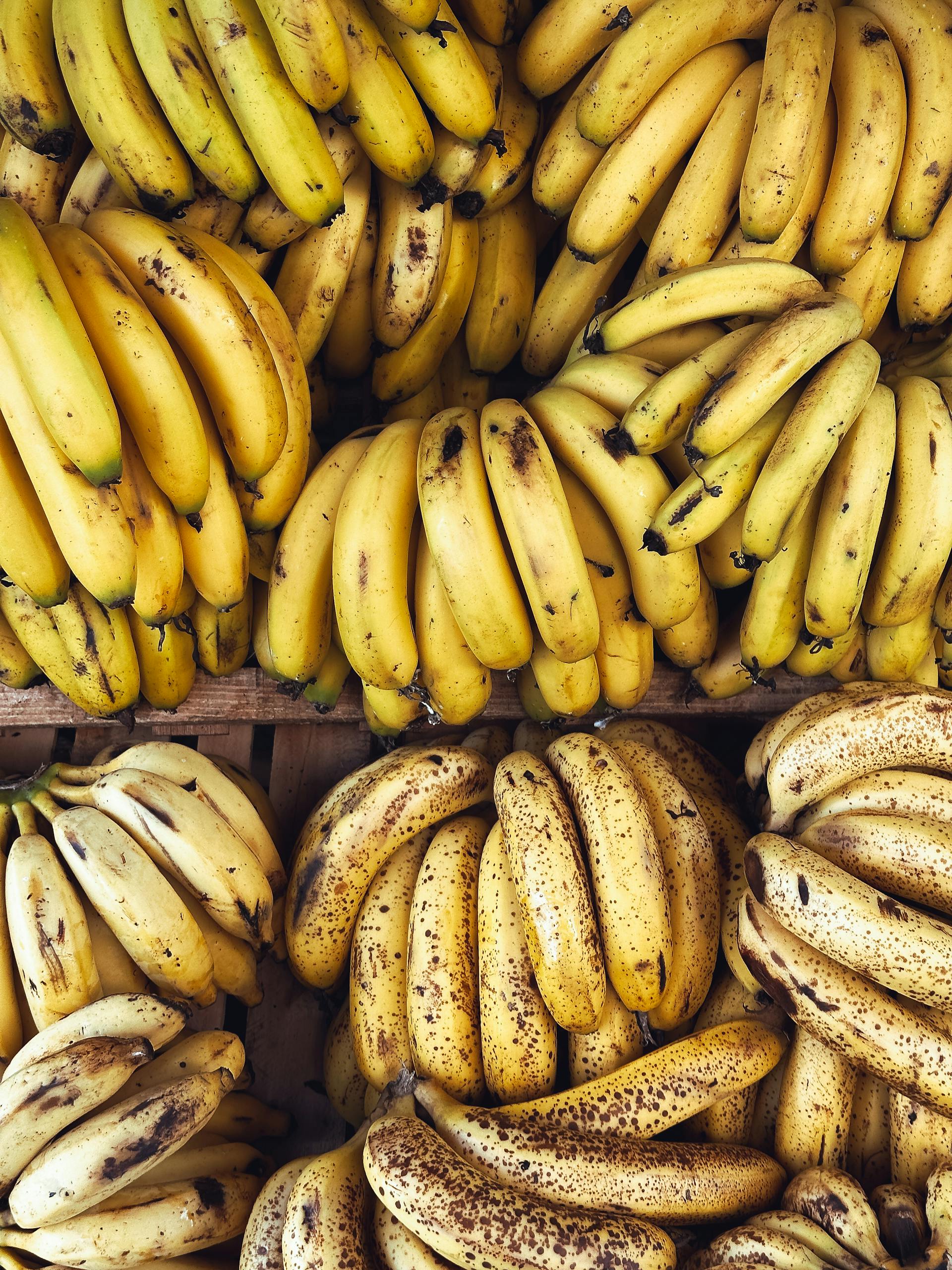
A vibrant display of fresh ripe and spotted bananas in a market setting, showcasing texture and color.

Based on the 2023 Vermont Waste Composition Study, food waste makes up 18.8% of the total waste that goes into Vermont’s only landfill, totaling approximately 71,112 tons of food waste disposed of annually. We often hear that food waste is a problem, but rarely do we hear about which types of foods are actually contributing to the majority of that food waste. Learn all about the grocery items that are wasted the most, and ways that you can help save those foods through better storage, food donation, a little creativity in the kitchen, and composting as a last resort.

10. Carrots
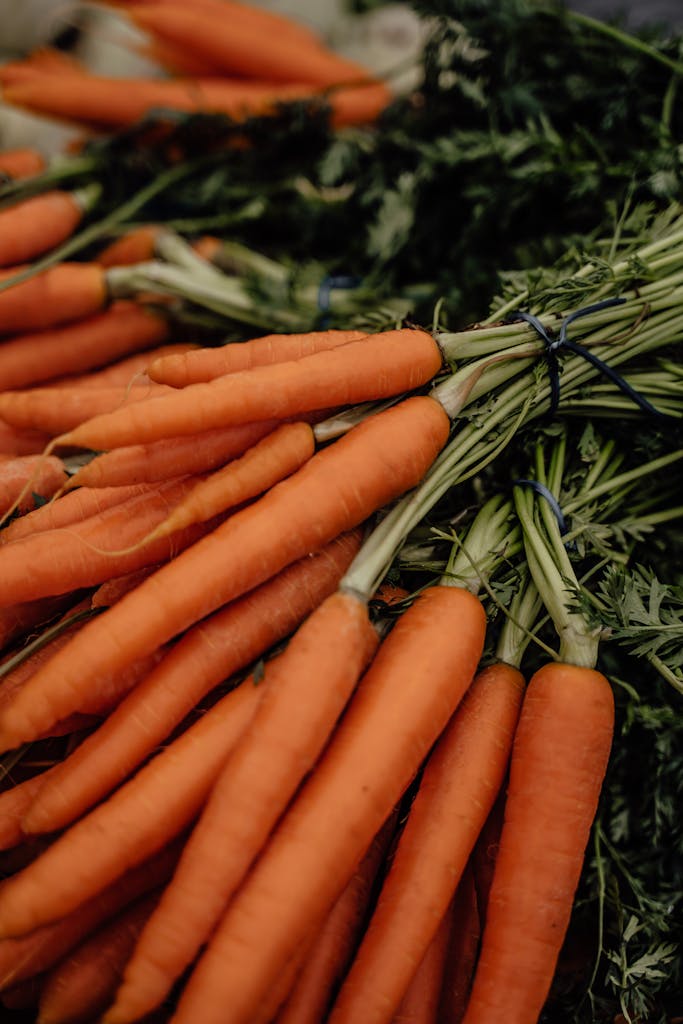
Freshly harvested organic carrots bundled together at a vibrant market in Erfurt, Germany.

Carrots go through a lot just to get to your fridge. Once planted, grown, and harvested, only about 50%–75% make it to consumers, and the rest are downgraded or discarded due largely to cosmetic standards. But even after reaching the consumer’s home, carrots are still among the most wasted foods.

How to store:
Store in a sealed bag in the refrigerator away from ethylene-producing fruits and vegetables like apples, ripe bananas, and tomatoes, which speed spoilage of ethylene-sensitive produce like carrots.

Reduce waste:
Don’t let carrots wither away in your fridge! Turn them into carrot cake, roasted root veggie medleys, soups, stir-fries, shredded into salads, or blended into sauces.

9. Meat

Approximately 26% of all meat produced in the United States is wasted at the retail and consumer level. But reducing that waste can be as easy as being a bit more proactive.


How to store:
The coldest part of the refrigerator is typically the bottom shelf, making it ideal for storing raw meat. Freeze raw or cooked meat you won’t use, label with dates, and use the oldest first.


Reduce waste:
If you notice that meat in your fridge is quickly approaching the expiration date, store it in the freezer to extend its life. You can also repurpose cooked meat into soups, tacos, pasta dishes, or stir-fries.
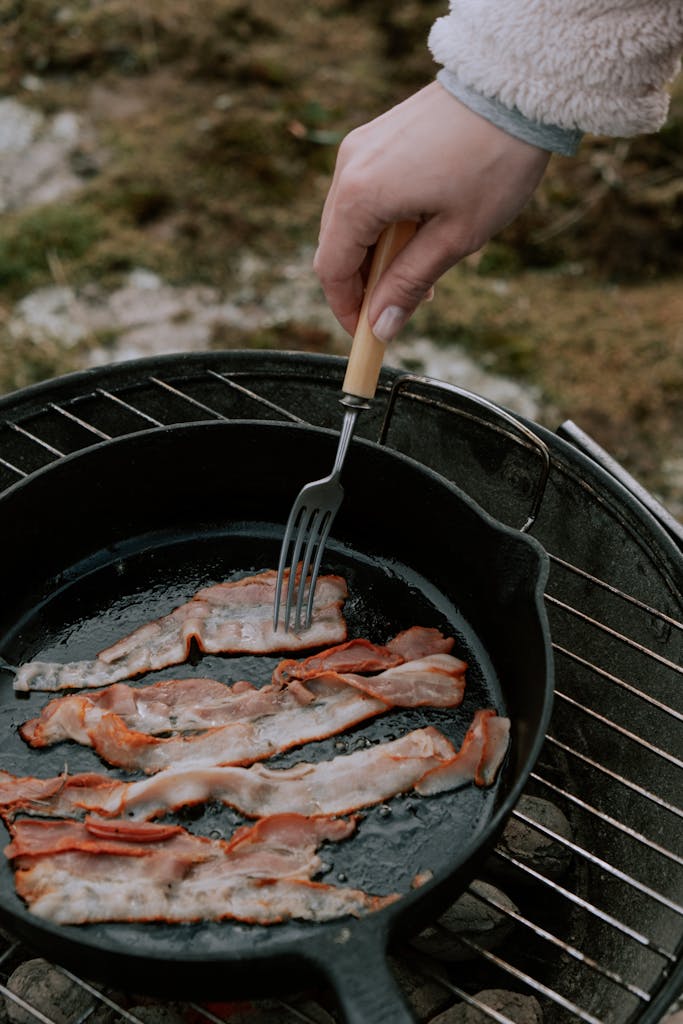
Close-up of bacon strips frying in a pan on a charcoal grill outdoors.

8. Eggs

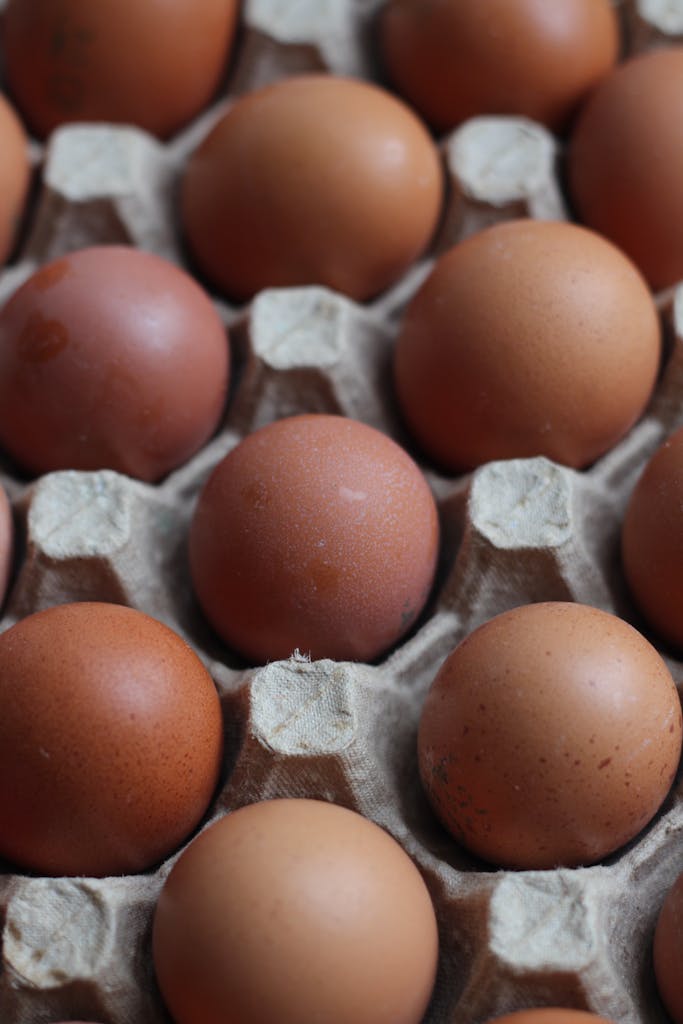
A close-up image showcasing brown eggs neatly arranged in a cardboard tray for food photography.
At home, eggs are often discarded due to misunderstanding of date labels or being forgotten in the fridge.


How to store:
Keep eggs in their original carton on an interior shelf (not the fridge door) to prevent temperature swings. With proper storage, eggs can last long past their “best by” date. 


Reduce waste:
The egg float test can help to determine freshness. Using a bowl of water, place the egg in: fresh eggs sink and lay flat, while older eggs stand on end or float due to increased internal air pocket size. While not a definitive indicator of spoilage, floating eggs are generally too old to use and should be discarded. 

7. Deli Items

Deli items, including meats, cheeses, and prepared foods, are among the top 10 most wasted grocery items. Consumers often waste these products by forgetting them, losing interest, or buying more than needed.

How to store:
Keep tightly sealed and in the coldest part of the fridge (bottom shelf). To prevent spoilage, transfer deli items into an air-tight sealed container.


Reduce waste:
Add to omelets, pasta, soups, salads, casseroles, wraps, or pizza to use up and avoid waste.

A close-up of a club sandwich paired with golden french fries on a white plate.

6. Avocados

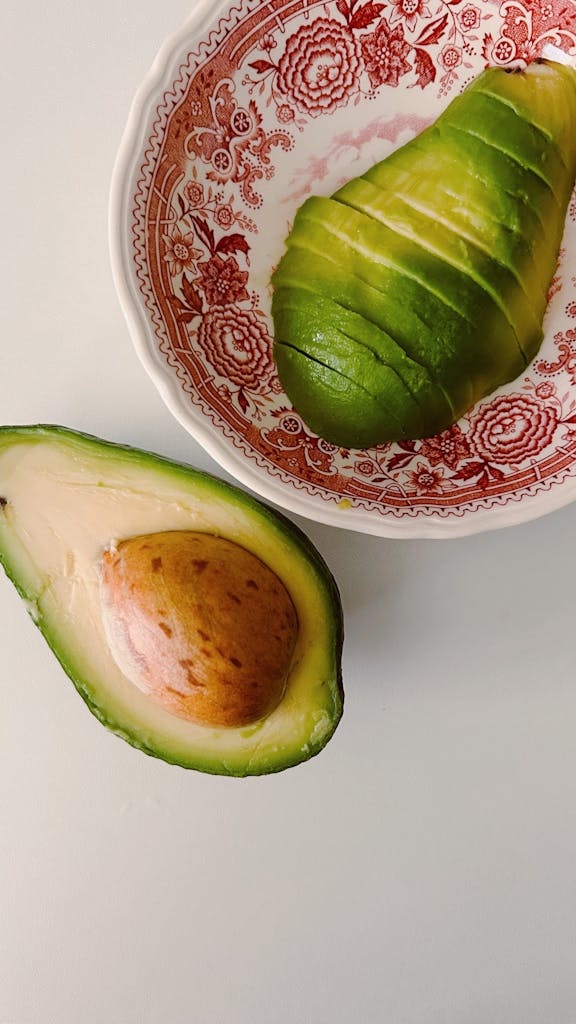
Close-up of a ripe, sliced avocado in a decorative red bowl on a white surface.
Avocados travel long distances and are often rejected even before they hit the grocery shelves due to bruising or size standards. At home, they’re notoriously difficult to time, going from unripe to overripe quickly, leading to waste when meal timing doesn’t match ripeness.


How to store:
Ripen at room temperature. Once ripe, refrigerate to slow spoilage. Store cut avocados in airtight containers with citrus juice to slow browning.


Reduce waste:
Overripe avocados work well in smoothies, dressings, spreads, baked goods, and desserts.

5. Bread

Since bread is a fairly inexpensive staple, it ranks one of the most-wasted foods at both retail and household levels. Roughly 800 million loaves of bread are thrown away annually by U.S. consumers, often due to short shelf-life, mold, or over-purchasing


How to store:
Bread should be stored in a dry, cool place. In warmer months, store the sealed bag in the fridge, keeping it on the top shelf to prevent condensation. If you won’t finish it within a couple of weeks, freeze a portion in a separate bag.


Reduce waste:
Make stale bread into croutons, breadcrumbs, French toast, stuffing, bread pudding, or strata.

Close-up of a sliced, crusty sourdough loaf with fresh rosemary on a wooden surface.

4. Apples

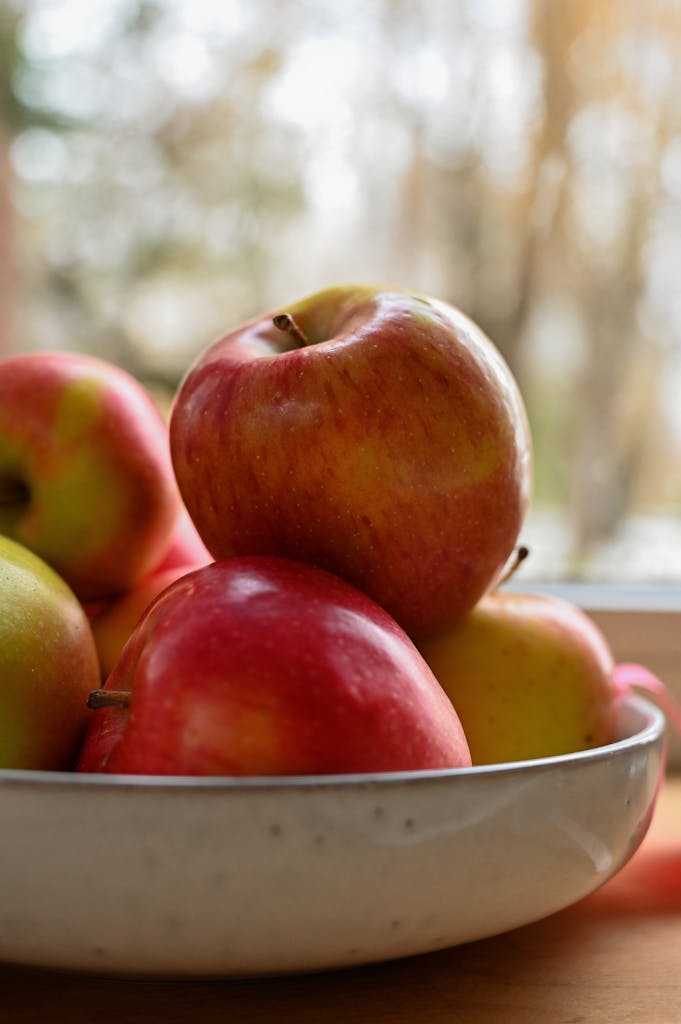
A stack of fresh red and green apples in a ceramic bowl by a window.
Despite apples being American’s favorite fruit, it is also among the most wasted. And the majority of that waste happens on the consumer level. Even though apples are one of the more affordable and readily available fruits, wasting them still has a big impact.


How to store:
Store in the refrigerator crisper drawer. Apples release ethylene gas, so keep them separate from leafy greens and other ethylene-sensitive produce.


Reduce waste:
Soft apples are perfect for applesauce, baked goods, oatmeal, or slicing and freezing for later use in baking.

3. Milk

Milk requires extensive resources (land, feed, water, refrigeration, and transport ) before reaching your refrigerator. Even small amounts wasted at home represent a large upstream footprint. Milk is frequently discarded due to date label confusion or not being able to consume before the milk expires.


How to store:
Keep milk on an interior shelf, not the door, where temperatures stay colder and more consistent (below 40°F).


Reduce waste:
Use milk nearing the expiration date in cooking: oatmeal, sauces, soups, baking, mashed potatoes, or pancakes. Milk can also be frozen for cooking purposes.
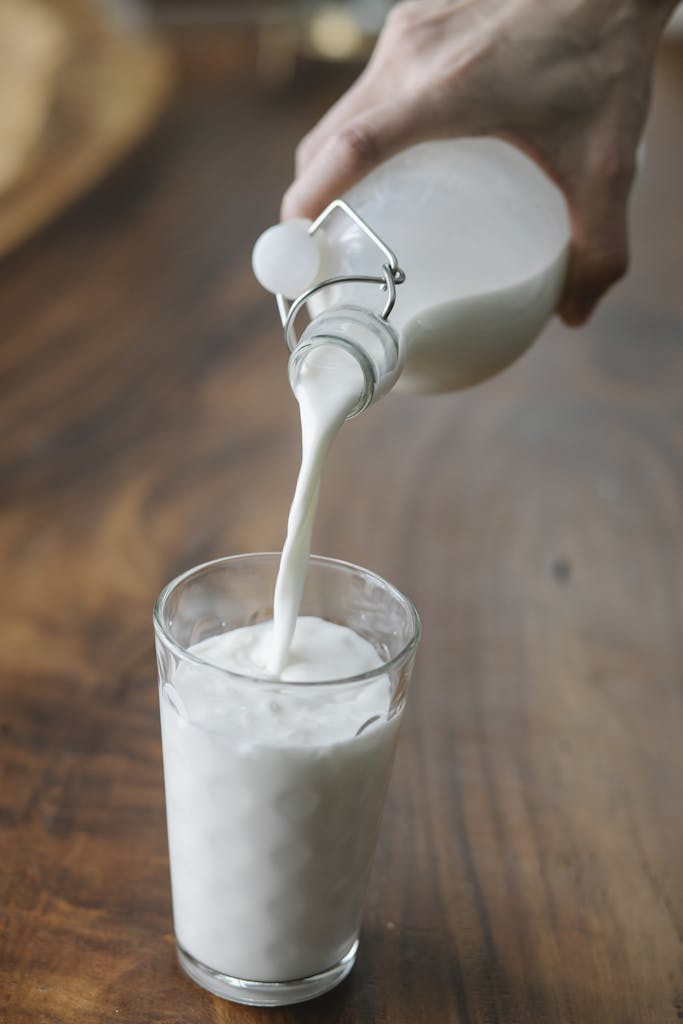
Crop anonymous person with bottle pouring milk into ornamental transparent glass on wooden table at home

2. Bananas

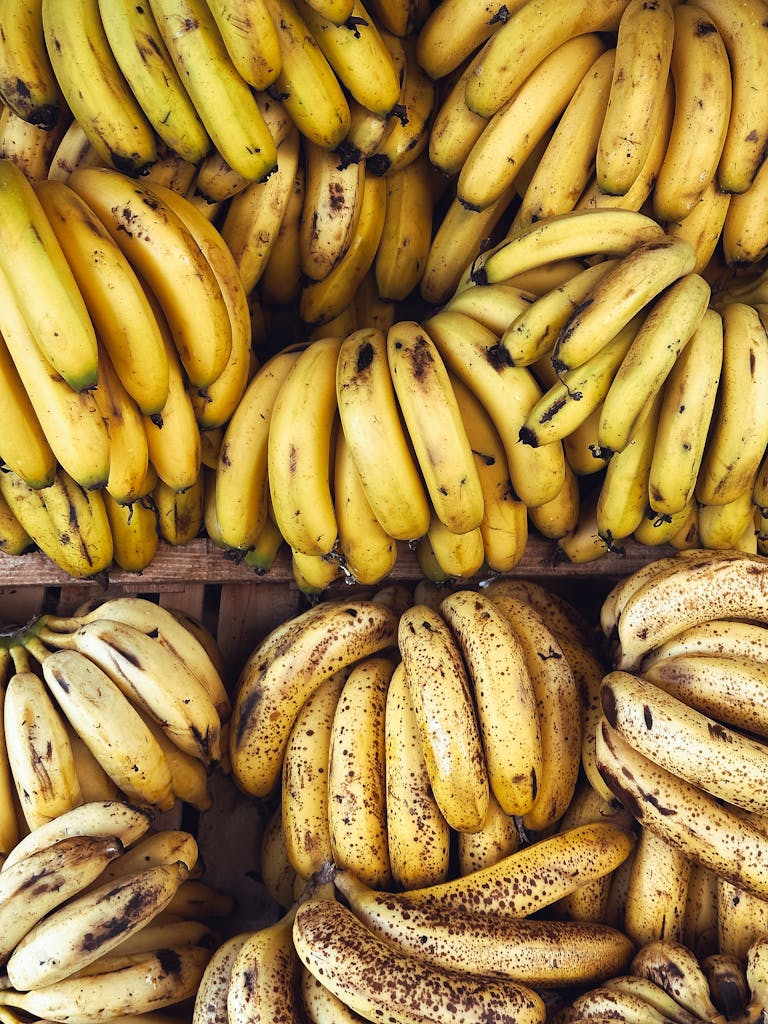
A vibrant display of fresh ripe and spotted bananas in a market setting, showcasing texture and color.
Because bananas are quite cheap, they are often treated as a disposable item. If a bunch of bananas go bad, its only a couple bucks wasted. But those bananas traveled too far to just get tossed!

How to store:
Keep at room temperature away from other produce. Bananas release ethylene gas, which speeds ripening. Once ripe, refrigerate to slow further softening (the peel darkens, but the fruit stays good). Peel and freeze if very ripe.

Reduce waste:
Use overripe bananas in banana bread, muffins, pancakes, oatmeal, smoothies, or frozen desserts.

1. Lettuce

Leafy greens are the most wasted food item by American consumers, with only about 25% of lettuce grown on farms actually being consumed. A lot of this is due to the fact that they are a very delicate produce with a short shelf life.


How to store:
Purchase only what you can realistically eat in a few days. Store in the crisper drawer in a container lined with a dry paper towel to absorb moisture, keeping away from ethylene-producing fruits like apples, bananas, and avocados, which speed aging.


Reduce waste:
Consider buying whole heads of lettuce instead of pre-cut bags, since whole heads last significantly longer (up to 3 weeks) than pre-cut bagged lettuce (3–5 days). Or, opt for more durable greens like Iceberg or RomaineYou can also add wilting greens to soups, stews, pasta, omelets, stir-fries, or smoothies.
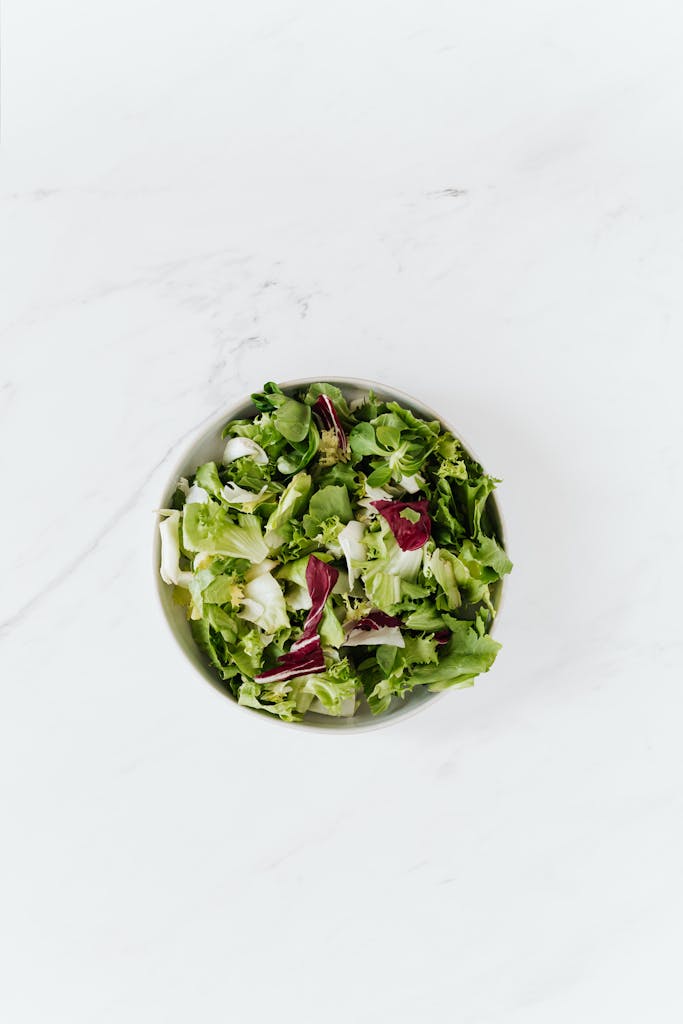
Top-down view of a fresh green salad bowl on a clean marble surface, perfect for healthy eating concepts.
Share:
Previous Post CSWD's 2025 Year in Review
Next Post Small batteries, BIG impact: 3 reasons to celebrate National Battery Day with CSWD

How can we help you today?

Find a Drop-Off Center

Get waste & recycling help

See disposal fees

CSWD Drop-Off Centers

Burlington

339 Pine Street
Burlington, VT 05401
Get Directions

Tues - Sat: 8am - 3:30pm

Essex

218 Colchester Road
Essex, VT 05452
Get Directions

Tues - Sat: 8am - 3:30pm

Hinesburg

907 Beecher Hill Road
Hinesburg, VT 05461
Get Directions

Wed & Sat: 8am - 3:30pm

Milton

36 Landfill Road
Milton, VT 05468
Get Directions

Tues - Sat: 8am - 3:30pm

South Burlington

87 Landfill Road
South Burlington, VT 05403
Get Directions

Tues - Sat: 8am - 3:30pm

Williston

1492 Redmond Road
Williston, VT 05495
Get Directions

Tues - Sat: 8am - 3:30pm

Connect with CSWD

Fresh tips, important events, and fascinating CSWD facts delivered monthly. We don't share your email, ever! Opt out any time.

This field is for validation purposes and should be left unchanged.
This site is protected by reCAPTCHA and the Google Privacy Policy and Terms of Service apply.
  • Facebook
  • Instagram
  • YouTube

Waste & Recycling Help

  • A-Z List
  • Blue-Bin Recycling
  • Organics
  • Hazardous Waste
  • Special Materials
  • Trash
  • Local Pickup Services

Customized Help

  • For Businesses
  • For Schools
  • For Events & Gatherings
  • For Landlords
  • For Haulers

News & CSWD Info

  • News
  • Calendar
  • FAQs
  • About CSWD
  • Board of Commissioners
  • Resources & Forms

  • A-Z List
  • Blue-Bin Recycling
  • Organics
  • Hazardous Waste
  • Special Materials
  • Trash
  • Local Pickup Services

  • For Businesses
  • For Schools
  • For Events & Gatherings
  • For Landlords
  • For Haulers

  • News
  • Calendar
  • FAQs
  • About CSWD
  • Board of Commissioners
  • Resources & Forms

Contact

19 Gregory Drive, Suite 204
South Burlington, VT 05403
802-872-8100

Contact Us

CSWD Logo linked to the homepage

© 2024-2025 CSWD. All Rights Reserved. | Website by Bytes.co

Privacy

Accessibility Statement