The credit card payment system is temporarily unavailable at our Drop-Off Center located in South Burlington. We apologize for the inconvenience and appreciate your patience while the issue is being resolved.

Battery Disposal 101
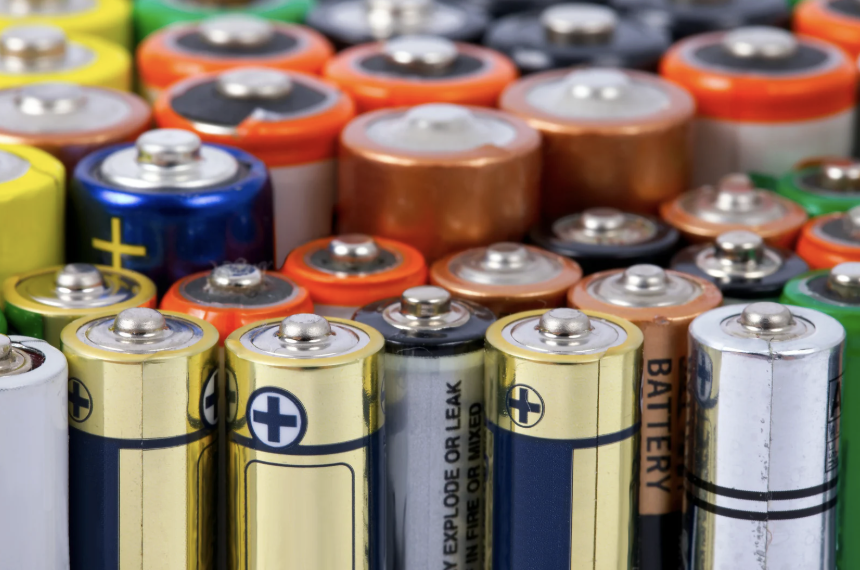
You may not realize it, but batteries are everywhere and make many of our day-to-day activities possible. From phones and laptops to watches and smoke detectors, batteries keep our lives running. But when they die, it’s not always clear what to do with them. Tossing batteries in the trash might feel convenient, but throwing batteries in the trash is illegal in Vermont and can cause big problems for our community and environment. Here’s everything you need to know about battery disposal: what types go where, disposal options, how to handle them safely, and why it matters.
Battery Types
There are a lot of different batteries out there, which can make battery disposal daunting and confusing. But here’s an easy break-down of the most common kinds of batteries and how to identify them:
Single-use alkaline batteries
(AA, AAA, C, D, 9V)
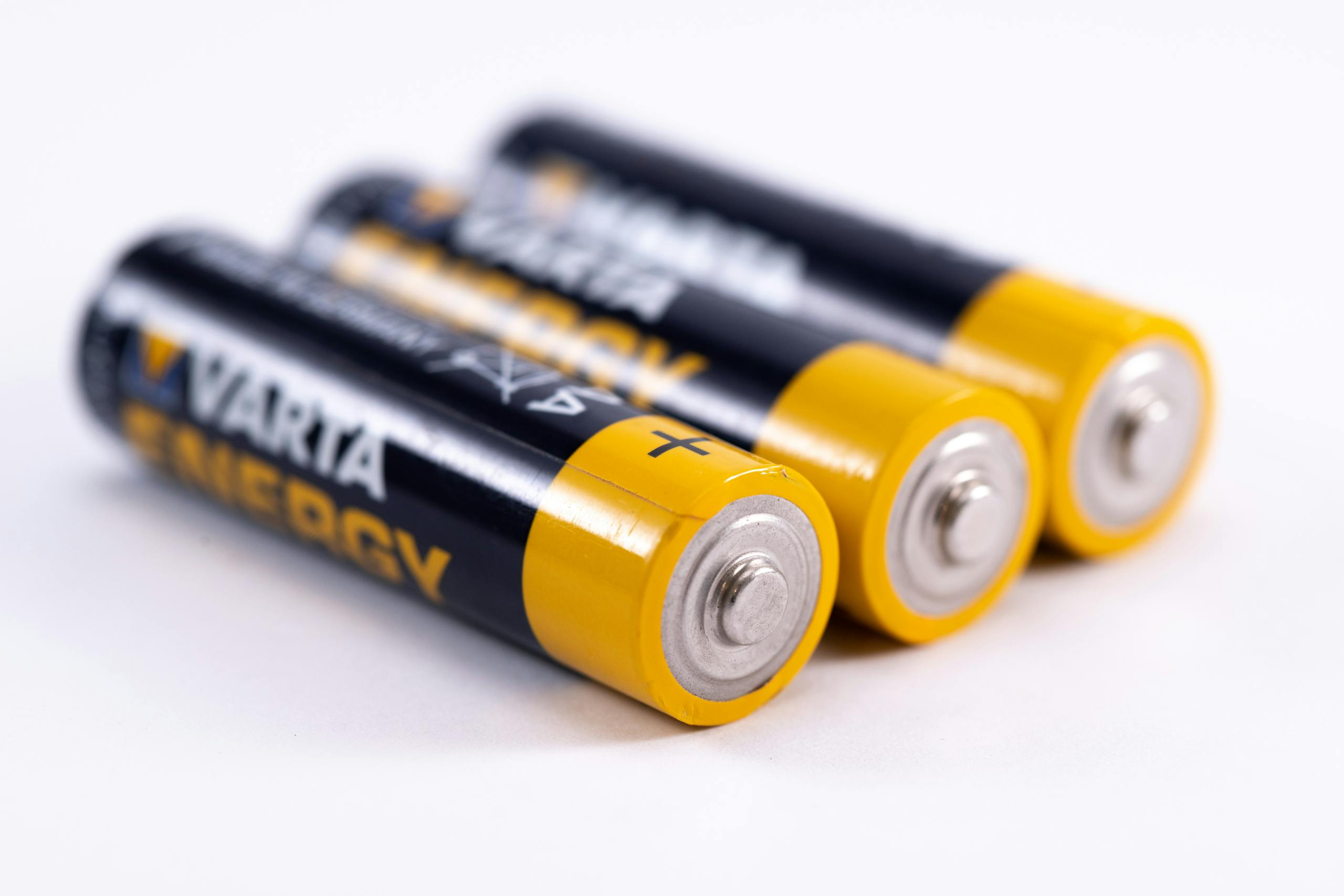
Where you’ll find them: TV remotes, smoke detectors, flashlights, toys, wall clocks, wireless computer mice, and handheld gaming devices.
How to identify: Cylindrical shape (AA, AAA, C, D) or rectangular with two terminals on top (9V). Usually labeled “alkaline.”
Characteristics: Designed for one-time use. Once they lose their charge, they can’t be recharged. They’re the most common household battery type.
Disposal options:
Any CSWD Drop-Off Center in the Cell Phone & Household Battery Drop-Off area
CSWD Environmental Depot (by appointment)
Or find a location near you
Rechargeable batteries
(lithium-ion, nickel-cadmium, nickel-metal hydride)

Where you’ll find them: Cell phones, laptops, tablets, cordless power tools, cameras, Bluetooth speakers, e-bikes, and other electronics.
How to identify: Often marked with “Li-ion,” “NiCd,” or “NiMH.” Found as flat packs (in phones, laptops), removable power packs (tools), cylindrical cells, or embedded in devices.
Characteristics: Lithium-ion batteries are powerful and can be recharged hundreds of times.
Important tips: Lithium-ion batteries are the number one cause of fires at recycling and waste facilities. These fires are especially dangerous because they can keep burning even underwater. To reduce the risk, always use the correct charger, unplug once fully charged to avoid overheating, handle batteries with care, and dispose of properly.
Disposal options:
Any CSWD Drop-Off Center in the Cell Phone & Household Battery Drop-Off area
CSWD Environmental Depot (by appointment)
Or find a location near you
* Items with embedded (non-removable) batteries should be disposed of as electronics recycling at any Drop-Off Center except the Burlington location.
Button-cell batteries (coin batteries)
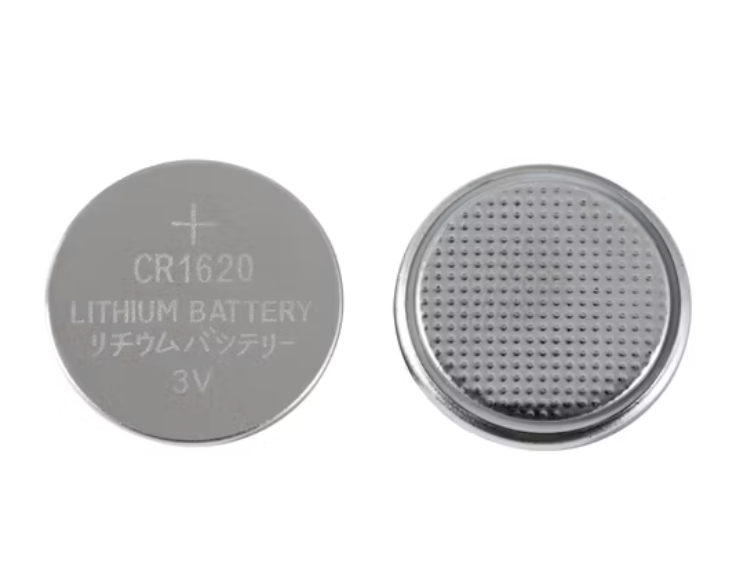
Where you’ll find them: Watches, hearing aids, greeting cards with sound chips, fitness trackers, calculators, car key fobs, and small toys.
How to identify: Small, flat, coin-like discs about the size of a button. Usually labeled with a series of letters and numbers (e.g., CR2032, LR44).
Characteristics: Many contain silver, mercury, or lithium, which are toxic to the environment if not managed properly.
Disposal options:
Any CSWD Drop-Off Center in the Cell Phone & Household Battery Drop-Off area
CSWD Environmental Depot (by appointment)
Or find a location near you
Lead-acid batteries

Where you’ll find them: Cars, trucks, motorcycles, boats, RVs, lawnmowers, snowmobiles, emergency lighting, and off-grid household electric systems.
How to identify: Typically rectangular with two large terminals on top (sometimes color-coded red and black). Marked with “Pb” (lead) or “lead-acid.”
Characteristics: Large, heavy, and filled with lead and corrosive acid. These are rechargeable, but when they wear out, they are considered hazardous waste.
Disposal options:
Any CSWD Drop-Off Center in the Lead-Acid Battery Drop-Off area
CSWD Environmental Depot (by appointment)
Or find a location near you
Where should you go to dispose of batteries?
Batteries should never go in your blue-bin recycling or trash. Instead, bring them to one of these safe options:
- CSWD locations – All CSWD Drop-Off Centers and CSWD’s Environmental Depot accept all types of batteries.
- Retail stores – Many hardware stores, electronics stores, and other retail stores accept certain types of batteries for recycling.
- Auto shops & dealerships – Most accept car batteries for recycling.
Find your nearest drop-off location.
How do you prep batteries for disposal?
A little prep goes a long way to keep everyone safe:
- Collect them in a container:
- Collect used batteries in a reusable, non-conductive (non-metal) container for easy transport.
- Taping or bagging batteries is no longer required.
- Store in a cool, dry area until you’re ready to drop them off for battery recycling.
- Drop them off regularly:
- Don’t let your batteries pile up. Remember to bring them to a drop-off location frequently.
- Drop-Off Center quantity limits:
- Household batteries: Limit of 1 gallon per day.
- Lead-acid batteries: Limit of 5 per day.
- No limits at CSWD’s Environmental Depot.
Important Notes:
- Bulging or puffy batteries indicate that the battery is damaged or defective. These should be bagged separately and brought to a CSWD facility as soon as possible.
- Items with embedded (non-removable) batteries should be disposed of as electronics recycling at any Drop-Off Center except the Burlington location.
Why can’t batteries go in the trash?
Batteries may look harmless, but here’s why proper disposal matters:
- Battery Product Stewardship Law: The disposal of all household primary (single-use) and rechargeable batteries in Vermont landfills is banned as of July 1, 2024.
- Fire risk: Damaged batteries can spark and ignite fires in trash trucks or recycling facilities.
- Toxic chemicals: Batteries contain metals like mercury, lead, and cadmium that can contaminate soil and water.
- Recyclable materials: Many batteries contain valuable metals (like cobalt and nickel) that can be recycled into new items.
By recycling batteries the right way, you are helping to protect the environment, reduce fire hazards, and conserve natural resources.