What started in the 1980’s as a small frozen custard shop, is today a national supplier of ready-to-eat cookie dough for ice cream makers, food distributors, and restaurants. But, at Rhino Foods’ Burlington production facility, the sweetest achievement is their positive impact on the community and the environment.
A key part of the culture at Rhino Foods is their sustainability focused employee resource group, known internally as Rhino’s Enviros. The Enviros are a voluntary, employee-led committee, which was formed to explore practical ways to reduce waste and minimize environmental impact. Building on Rhino’s existing sustainability efforts, the group brings together five staff members from different departments with the goal to make thoughtful changes, learn from the process, and share those lessons across the company.
In 2023, Rhino Foods employees Meesh Geoffrion and Maddy Born faced an unexpected challenge when a large quantity of bulk cream cheese, while still perfectly good, could no longer be used because it was reaching its expiration date. Throwing it away was not an option, and composting it felt like a missed opportunity. While they gave away what they could to their coworkers, that experience sparked deeper conversations about preventable waste and helped motivate the formation of Rhino’s Enviros.
With support from Rhino’s leadership and growing interest from coworkers, the Enviros began looking more closely at what was being landfilled and where small changes could make a meaningful difference.
Reducing Food Waste Through Creativity and Connection
Unsurprisingly, food scrap diversion is a priority at Rhino Foods. Internally, cookie dough and other treats can often be shared with staff. When quantities exceed what can be used in house, Rhino’s Enviros take extra steps to find responsible outlets for food that would otherwise go to waste.
As a certified B Corp and member of Vermont Businesses for Social Responsibility, Rhino Foods is deeply engaged with the local community and uses these networks to build new connections. Whether sending 90 pounds of strawberry puree to a local restaurant or donating 612 pounds of eggs to the Chittenden Emergency Food Shelf, their food diversion efforts rely on strong local relationships and a shared commitment to supporting their neighbors.
Expanding Recycling, One Program at a Time
Rhino Foods has also steadily expanded its recycling programs to better support their employees and divert common waste items. New systems are introduced gradually, with plenty of troubleshooting and refinements, until they have a program that works well for their office.
One great example of this is Rhino’s battery recycling collection. While the program was started to divert batteries that are used at the office, it was quickly expanded. Now employees can bring their used batteries from home and recycle them safely at work. Beyond just batteries, Rhino Foods also hosts an annual e-waste collection week for staff to recycle broken electronics.
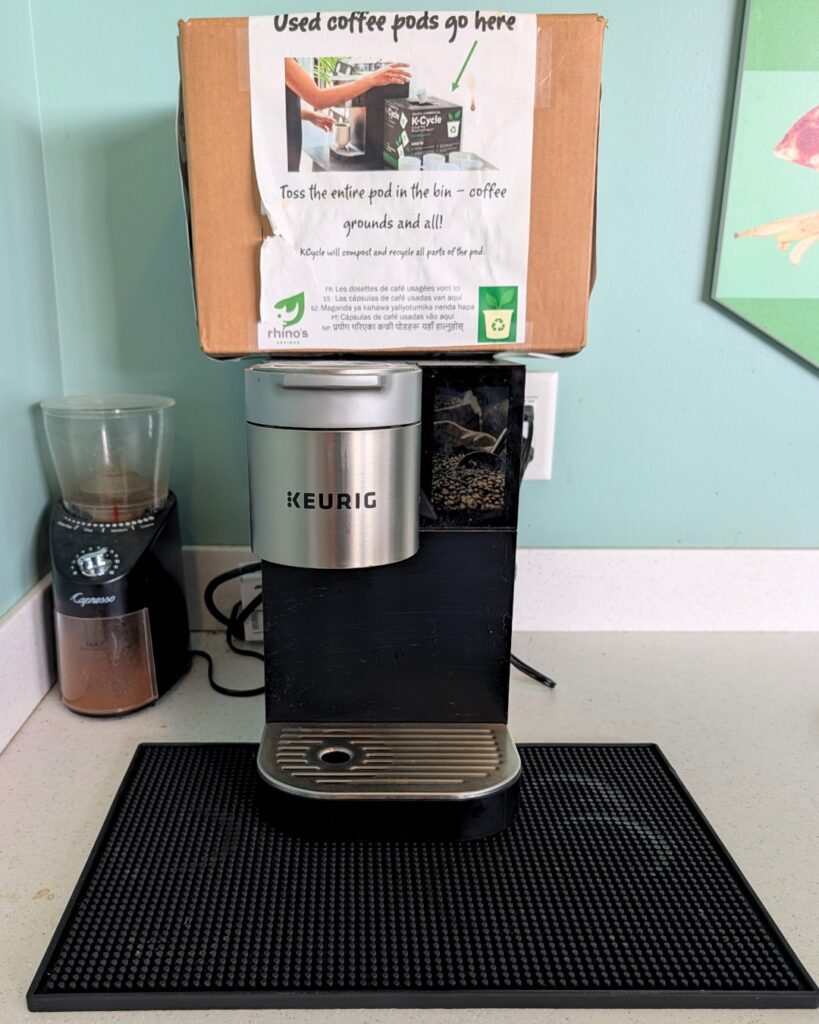
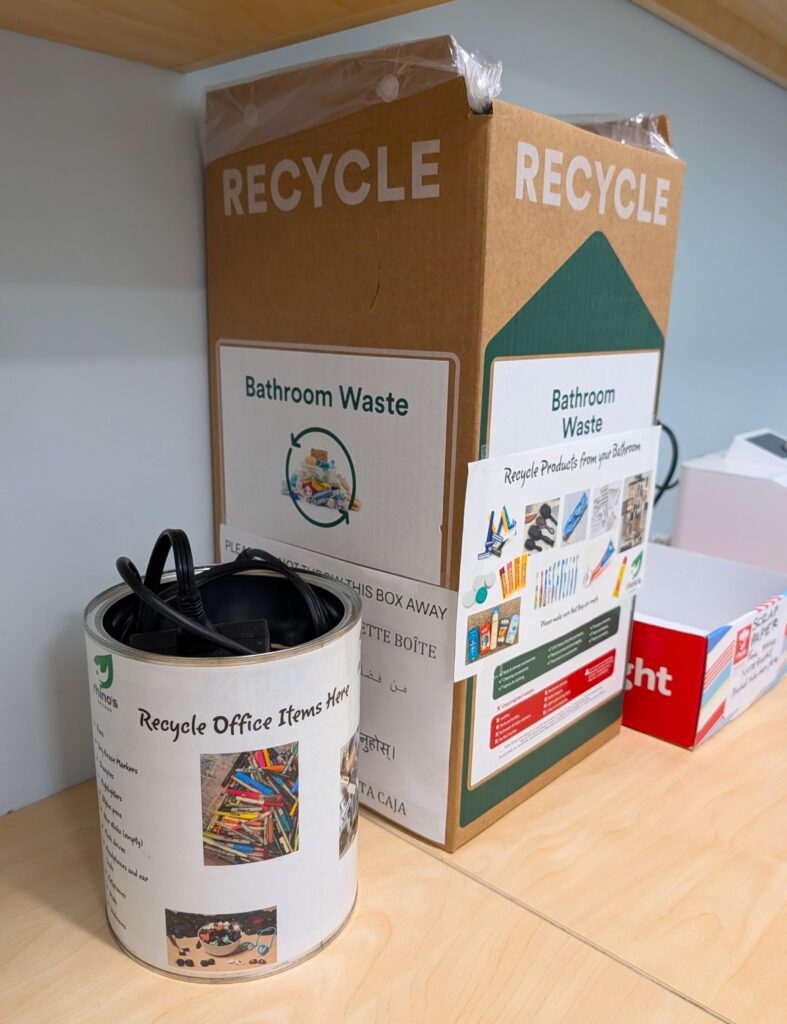
Over a few short years, Rhino has also started several zero-waste collection programs for coffee pods, office supplies, and bathroom accessories. The group continues to stay curious, exploring recycling options for less common items like hairnets, and adjusting programs as new opportunities emerge.
Reuse and Reduce at Rhino
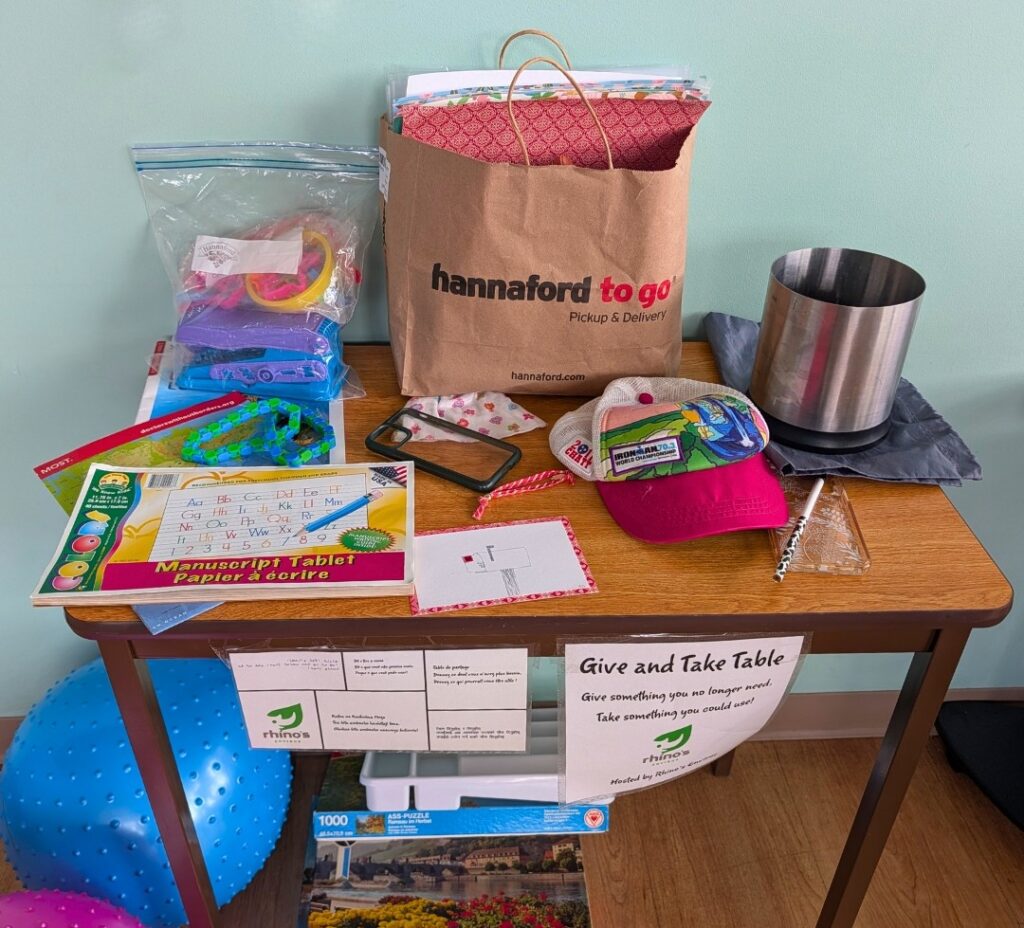
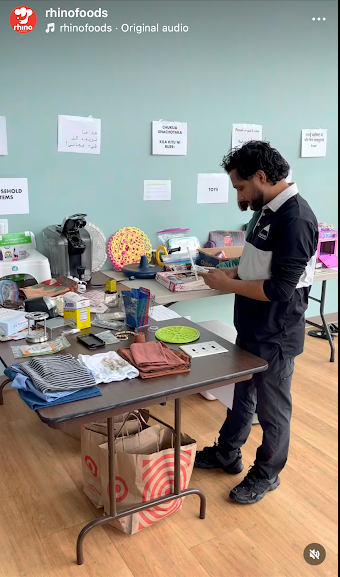
Recycling is just one piece of the puzzle. Rhino Foods also puts reuse front and center by creating opportunities to share and extend the life of everyday items. Their biannual “Swap, Don’t Shop” event encourages employees to exchange clothing, household goods, and accessories, keeping materials in use and out of the waste stream. Several times a year, the Rhino Foods Crash Cafe transforms into a staff swap meet, where unneeded items can find a new home. For smaller items, a year-round “Give and Take” table offers secondhand craft supplies, accessories, books, toys, and more.
“I love the Swap, Don’t Shop events,” says employee Amy Simone. “They are a brilliant way to get good stuff I am not using out of my house and into the hands of people who need it.”
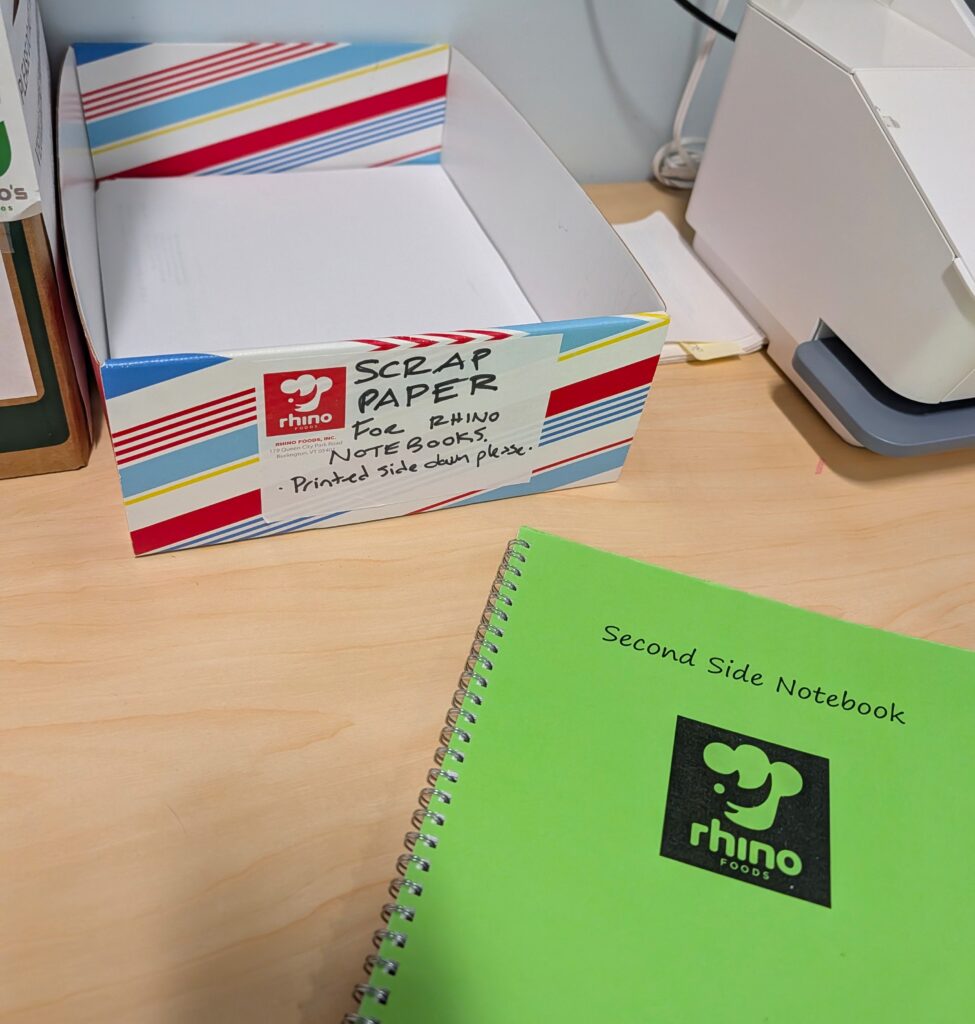
Reuse also shows up in everyday office practices. Misprints and scrap paper are collected and rebound by a staff member into “Second Side Notebooks” for continued use. Even unused lab tongue depressors are saved for art projects instead of being composted or thrown away.
Learning, Feedback, and Continuous Improvement
At Rhino Foods, improvement is an ongoing process. Education and regular feedback help employees spot challenges, strengthen sorting habits, and identify new opportunities for diversion. Each month, the Enviros conduct informal waste audits in dumpsters and dining areas to identify common sorting issues and new opportunities for diversion. These check-ins lead to direct, judgment-free conversations that focus on learning rather than enforcement.
To stay current with evolving requirements and gain a deeper understanding of local waste systems, the Enviros have organized tours of CSWD facilities and interactive presentations with CSWD’s outreach team. In addition to learning alongside their colleagues, employees who participate in sustainability events are often entered to win themed prizes such as zero waste swaps, gardening supplies, and biking accessories.
Talking Trash and Taking Action
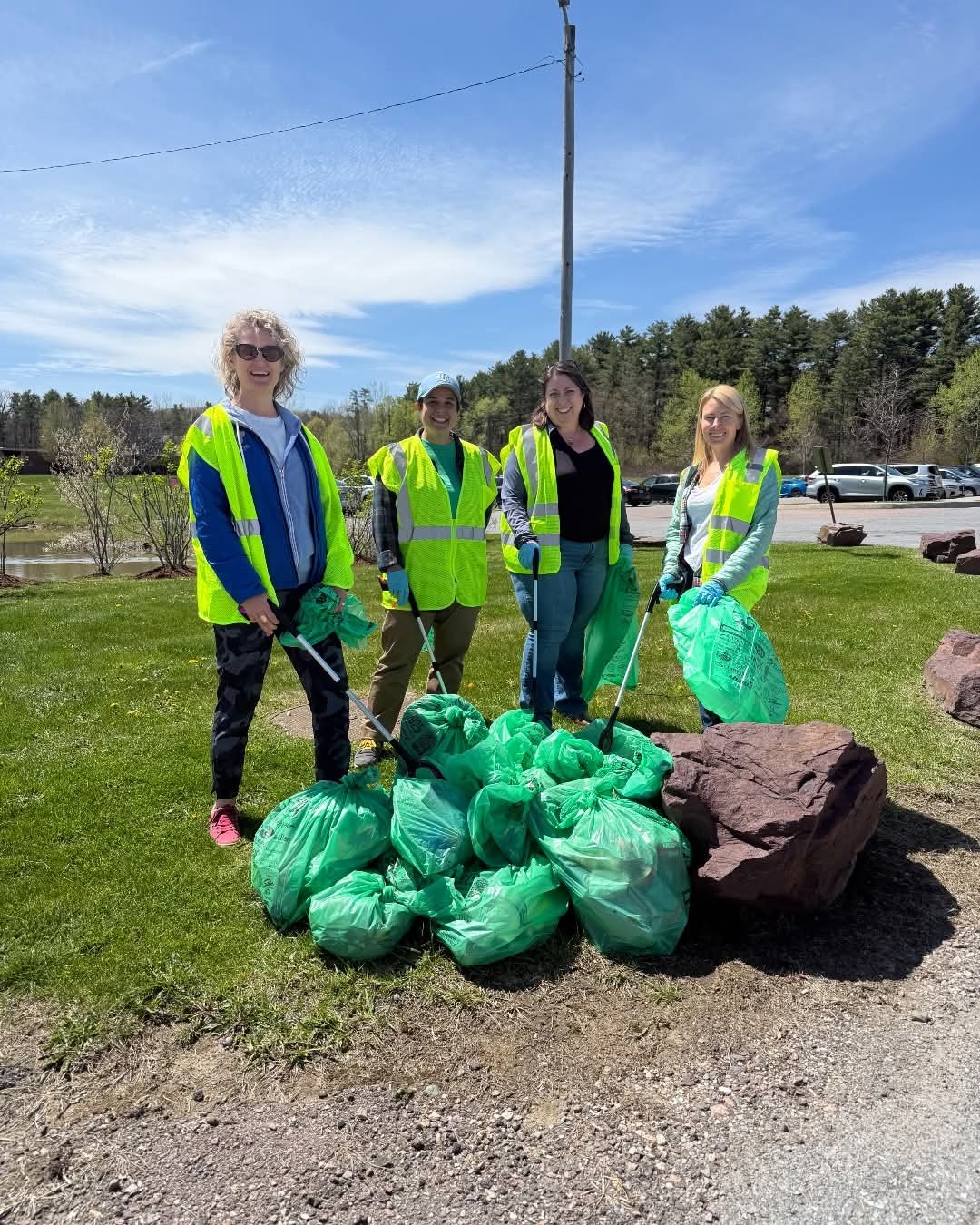
Rhino Foods employees also embrace sustainability beyond their daily operations. Each year around Green Up Day, staff participate in friendly competitions to pick up litter and recruit volunteers, combining community service with team building.
In 2025, the company launched “Park Your Car[bon],” a week-long challenge encouraging employees to replace solo car trips with biking, walking, carpooling, or public transit. Each alternative commute helps the office work toward a shared goal of reducing transportation emissions.
“I really enjoy the Green Up activities and the Park Your Car[bon] week,” says Morgan Rainville. “Getting outside, moving around, and helping the environment, especially when doing so in community, is energizing and rewarding.
A Practical, People-First Approach
Rhino Foods recognizes that even well-intentioned changes can impact each department differently. The Enviros prioritize collaboration, understanding that successful programs are built with people, not imposed on them.
That philosophy has led to many small shifts toward waste reduction that add up over time. Staff have reduced paper waste by unsubscribing from unnecessary catalogs and improved energy efficiency by adding sleep timers to conference room monitors. Each action may be modest on its own, but together they reflect a consistent commitment to improvement.
Their experience shows that meaningful waste reduction does not require doing everything at once. It starts with curiosity, grows through collaboration, and succeeds by creating systems that work for people first.
Looking for more ideas on how to reduce waste where you work? Visit CSWD’s Help for Businesses page or sign up for CSWD’s Quarterly Business Newsletter!