The credit card payment system is temporarily unavailable at our Drop-Off Center located in South Burlington. We apologize for the inconvenience and appreciate your patience while the issue is being resolved.

Turn Your Food Scraps into Soil; it’s Good for Your Garden and the Planet
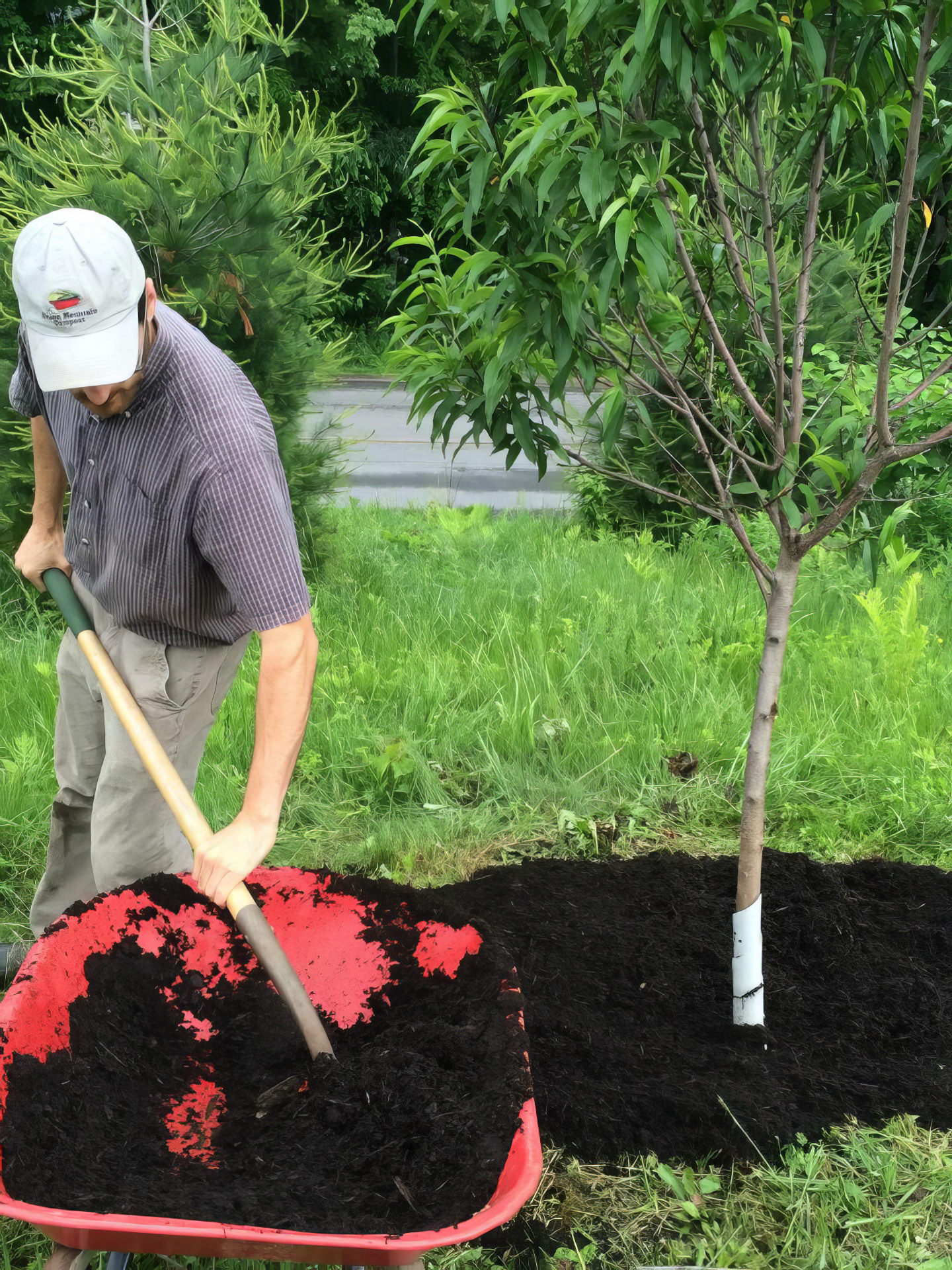
As Vermonters know, composting does more than cut household waste, it also keeps food scraps out of the landfill, reduces greenhouse gases, and transforms organic material into nutrient‑rich soil that benefits gardens, lawns, and farms. We also realize composting can feel confusing – between what’s allowed, how to manage odors, and the options for small spaces, it’s easy to get overwhelmed. Whether you have a large yard or a small apartment, there is a composting option that can work for you.
How Composting Works
Food scraps, yard trimmings, and other accepted organics are collected through curbside programs, Drop‑Off Centers, or at home. At our Organics Recycling Facility (ORF) – or in a backyard pile – these materials are combined, turned, aerated, and monitored for moisture and temperature. Once decomposition is complete, the compost is allowed to cure and is screened for quality. The finished compost is then reused: applied to soils, sold wholesale, or used in landscaping and agriculture.
Simple Steps to Get Started
- Choose your system: backyard pile or enclosed bin, worm (vermicompost) bin for apartments, curbside pickup or drop-off options.
- Collect: Keep a small countertop pail for fruit and vegetable scraps, coffee grounds, and eggshells. Line it with dry leaves or paper (newspaper, paper-towles etc) or a certified compostable liner if you prefer.
Troubleshooting Issues
We know there can be an “ick” factor when it comes to storing food scraps or starting a backyard compost system. Here are a few fixes:
Fruit fly control tips:
- Keep an indoor countertop pail sealed with a tight‑fitting lid and empty it every 2-3 days.
- Freeze or refrigerate scraps in a paper bag.
- If fruit flies persist, clean the pail with soapy water and vinegar, and check for spilled juices or residues.
Smelly pile?
- Add dry “browns” (leaves, shredded paper, cardboard) to absorb moisture and balance nitrogen.
- Turn or aerate the pile to increase airflow and speed aerobic decomposition.
- If the pile is soggy, add more browns and mix to dry it out; if it’s compacted, break it up to improve airflow.
- Consider a finished‑compost cover (straw or a layer of coarse browns) to reduce odors while it cures.
Not ready to compost at home? You can always bring food scraps to any CSWD Drop‑Off Center or our Organics Recycling Facility and we will make sure they are processed properly.
Tiny Habits, Big Impact
Vermonters are making progress. Efforts to compost have kept many food scraps out of the landfill. That said, there’s room to improve. According to the 2024 Waste Diversion study, more than 30,000 tons of food scraps were sent to landfill last year. Every household action adds up toward reducing that number. Together we can divert far more food scraps from the landfill. Ready to get started or improve your system? Visit our backyard composting guide or register for a workshop today.